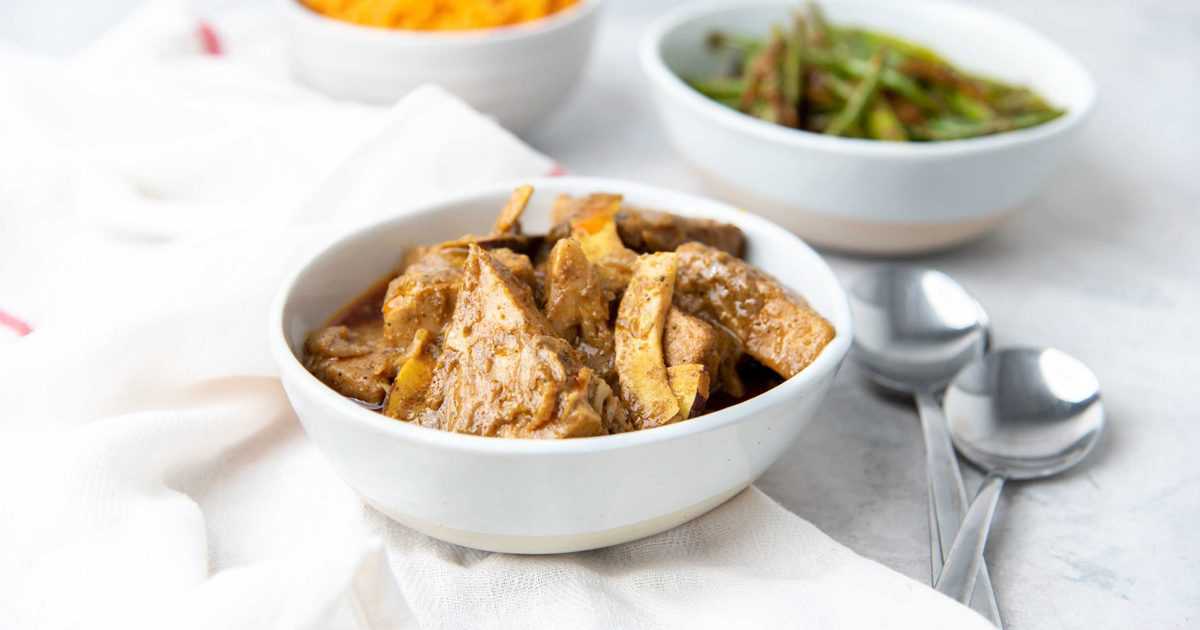
Authentic Sri Lankan Polos Curry: Your Flavorful Vegan Guide
Embark on a culinary journey to the tropical island of Sri Lanka, where vibrant flavors and aromatic spices transform humble ingredients into extraordinary dishes. Among the island's many treasures, one stands out for its unique texture, rich taste, and surprising versatility: Polos Curry. This isn't just any vegan dish; it's a hearty, satisfying, and profoundly flavorful
jackfruit curry that proves meatless can be truly magnificent. If you're exploring plant-based options or simply love an incredible curry, prepare to be captivated by the magic of Sri Lankan Polos.
The Marvel of Jackfruit: A Culinary Chameleon
At the heart of Polos Curry lies the remarkable jackfruit, a giant tropical fruit that has gained immense popularity in Western diets in recent years. What makes jackfruit so special? Its incredible ability to mimic the texture of meat when cooked, making it an outstanding plant-based substitute for dishes like "pulled pork" or stew. However, in Sri Lanka and other Asian countries, jackfruit has been a dietary staple for centuries, celebrated for its astonishing versatility.
The Sinhala language, native to Sri Lanka, even has different names for jackfruit depending on its stage of ripeness, each dictating its culinary application:
*
Kos (කොස්): This is the general term for the whole fruit.
*
Polos (පොලොස්): Refers specifically to young, unripe jackfruit. At this stage, it's treated as a vegetable, prized for its firm texture and ability to absorb flavors – precisely what makes it perfect for our curry.
*
Varaka (වරකා): Describes ripe, sweet jackfruit, which is typically eaten raw as a delicious fruit.
For our authentic Sri Lankan Polos Curry, we exclusively use "polos" – the young, green jackfruit. It boasts very small seeds (or sometimes none at all) and minimal fruit, consisting mostly of the fibrous "petals" that provide its distinctive meaty bite. While fresh young jackfruit offers the ultimate experience, canned young jackfruit is a convenient and widely available alternative, often found in Asian grocery stores or online. It's partially cooked, saving you the messy preparation of a whole fresh fruit, and ensures this
quick & creamy jackfruit curry is an easy vegan recipe to whip up. Remember to wash and rinse canned jackfruit thoroughly before roughly chopping it into smaller pieces.
Crafting the Flavor Profile: Essential Sri Lankan Ingredients
An authentic Polos Curry is more than just jackfruit; it's a symphony of carefully selected spices and aromatics that define Sri Lankan cuisine. Getting these ingredients right is key to unlocking the true essence of this dish.
Young Jackfruit
As discussed, this is the star. Whether fresh or canned, ensure it's unripe. When using canned, make sure it's packed in water or brine, not syrup. Draining and rinsing several times removes any canning liquid flavors and prepares it to soak up the curry's spices. A quick sauté after rinsing can also improve its texture and absorbency.
Coconut Milk
This creamy liquid is non-negotiable for a truly luscious jackfruit curry. Full-fat coconut milk is highly recommended for its richness and ability to create a deeply satisfying sauce. While lighter versions or coconut milk powder can be used, full-fat delivers that characteristic Sri Lankan creaminess and depth. It helps bind the spices and coats the jackfruit beautifully.
Sri Lankan Curry Powder
This is where the magic truly happens. Sri Lankan curry powder is distinct from Indian or other Asian blends. It often contains a unique balance of roasted spices, offering a deeper, more complex aroma. While store-bought Sri Lankan curry powder is available, many avid cooks swear by homemade blends. They offer a freshness and customized flavor profile that mass-produced options often lack. If you can't find a specific Sri Lankan blend, a Madras curry powder might be a closer substitute than, say, a generic Indian curry powder or garam masala, which has a very different flavor profile and should generally be avoided for this specific dish.
Tamarind
The indispensable ingredient for adding a delightful fruity sourness that brightens the entire curry. Tamarind is key to balancing the richness of the coconut milk and the warmth of the spices. Fresh tamarind pulp is ideal, but tamarind paste or concentrate, readily available in most Asian markets, works perfectly and is far more convenient. The tangy notes from tamarind are truly transformative.
Aromatics: Curry Leaves, Pandan, and Cinnamon
*
Curry Leaves: These fragrant leaves impart a distinctive, slightly nutty and citrusy aroma that is quintessential to Sri Lankan and South Indian cooking. Fresh curry leaves are best, but dried ones can also be used. If unavailable, a bay leaf can offer a mild aromatic substitute, but avoid ingredients like basil, lime zest, or lemon balm, as their flavors are entirely different and can clash with the curry.
*
Pandan Leaves (Rampe): Often used alongside curry leaves, pandan leaves (also known as screwpine leaves) add a unique, sweet, and slightly grassy fragrance that complements the curry beautifully. While not strictly the same flavor as curry leaves, they enhance the overall aromatic complexity.
*
Cinnamon: When it comes to cinnamon in Sri Lankan cuisine, Ceylon cinnamon is the gold standard. Known as "true" cinnamon, it's native to the island and boasts a delicate, floral, and subtly sweet flavor that is far more nuanced than the robust, spicier cassia cinnamon commonly found elsewhere. Its addition provides a warm, underlying sweetness that elevates the curry.
Potatoes (Optional but Recommended)
While not always in every traditional recipe, adding diced potatoes to your Polos Curry can make it even heartier and more substantial. They soak up the flavors of the curry beautifully, adding a creamy texture contrast to the jackfruit and ensuring a truly filling meal. This is a common practice in many South Asian jackfruit curries, enhancing the overall body and richness of the dish.
Cooking Your Polos Curry: Tips for Deep Flavor
The preparation of Polos Curry, while straightforward, involves steps that maximize flavor infusion:
1.
Pre-cook the Jackfruit: If using fresh jackfruit, it often needs to be boiled until tender before adding to the curry base. For canned, a quick sauté for 5-10 minutes after rinsing helps to dry it out slightly and allows it to absorb the spices more effectively.
2.
Build the Flavor Base: Start by sautéing onions, garlic, and ginger until fragrant. Then, add your curry leaves, pandan leaves, and cinnamon, allowing their aromas to develop. This is followed by your Sri Lankan curry powder and other dry spices, toasting them briefly to release their full potential.
3.
Combine and Simmer: Introduce the prepared jackfruit (and potatoes, if using) to the spice mixture, stirring to coat. Then, add your coconut milk and tamarind, bringing the mixture to a gentle simmer. This slow simmer is crucial; it allows the jackfruit to tenderize further and fully absorb the rich, complex flavors of the broth.
4.
Achieve Desired Consistency: Some prefer a thicker, more concentrated curry, while others enjoy a saucier consistency. For a deeper flavor, allowing the curry to reduce slightly, resulting in a thicker sauce, is often preferred. This concentrates the spices and yields a more intense taste. Continue simmering until the jackfruit is tender and the sauce has reached your desired thickness.
Why Polos Curry Deserves a Spot on Your Table
Beyond its incredible taste, Sri Lankan Polos Curry offers numerous advantages:
*
Naturally Vegan & Gluten-Free: It's a fantastic option for those with dietary restrictions or anyone looking to incorporate more plant-based meals into their diet.
*
Unique Meaty Texture: The young jackfruit provides an uncanny "meaty" bite that satisfies even the most ardent meat-eaters, making it a great transitional dish for those exploring veganism.
*
Rich Nutritional Profile: Jackfruit is a good source of fiber, vitamins, and minerals, making this curry not just delicious but also a wholesome choice.
*
Versatile Serving: Polos Curry pairs beautifully with a variety of accompaniments. Serve it with fluffy basmati rice, traditional Sri Lankan string hoppers, flatbreads like roti or naan, or even just a crusty piece of bread to soak up all that flavorful sauce.
In conclusion, authentic Sri Lankan Polos Curry is a testament to the power of plant-based cooking, offering a depth of flavor and a satisfying texture that rivals any meat dish. By understanding the nuances of young jackfruit, sourcing key Sri Lankan spices, and following thoughtful preparation steps, you can recreate this iconic dish in your own kitchen. Dive into the world of "polos" and discover why this flavorful
jackfruit curry is an ultimate vegan meat substitute and a truly unforgettable gluten-free meal. Your taste buds will thank you!